
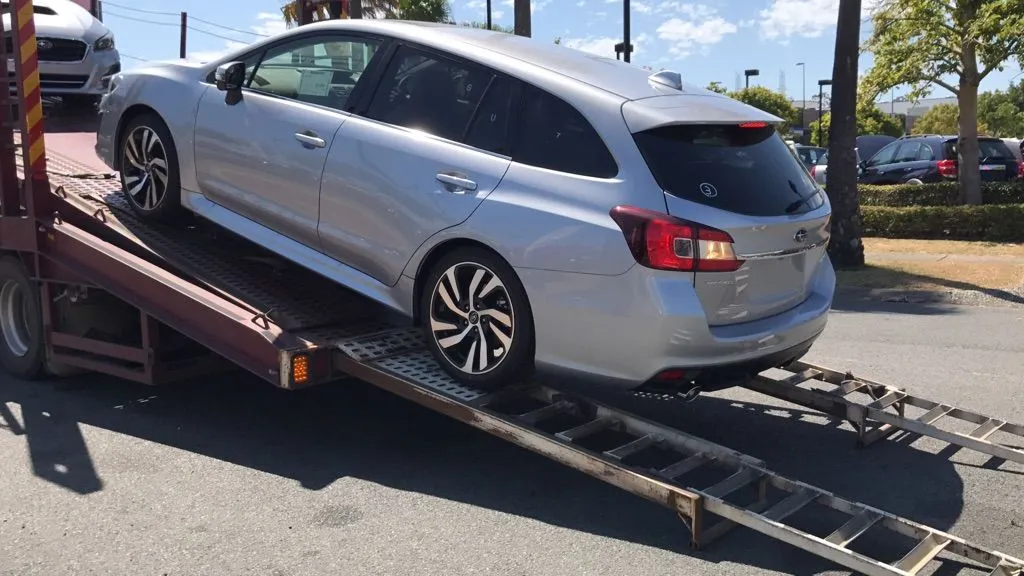
Shipping a car to another state can be a practical solution when you are relocating, buying a vehicle from another market, moving for work, or arranging transportation for a family member.
Driving the vehicle yourself is not always convenient. Long-distance travel involves planning, fuel expenses, accommodation, time away from work, and additional vehicle mileage. Professional auto transport offers another way to move a vehicle between locations.
Before arranging state-to-state car shipping, it is important to understand the available transportation methods, pricing factors, preparation requirements, and delivery process.
This guide explains the key points to consider before booking an interstate vehicle shipment.
What Is State-to-State Car Transport?
State-to-state car transport is the transportation of a vehicle from one state to another using an auto transport carrier.
For example, a customer relocating from Florida to Georgia may arrange to have their vehicle transported instead of driving it between the two locations.
The transportation process generally involves coordinating a pickup location, selecting an appropriate carrier arrangement, moving the vehicle along the planned route, and arranging delivery near the destination.
The exact schedule and pickup or delivery locations depend on route accessibility, carrier availability, and the agreed transportation arrangements.
Choose the Right Type of Car Transport
Before booking, consider which transportation method is appropriate for your vehicle.
Open Car Transport
Open car transport uses an uncovered trailer to move vehicles.
It is commonly considered for standard passenger cars, SUVs, and pickup trucks. Open transport is generally more budget-friendly than enclosed transportation and is widely used for interstate vehicle shipments.
However, vehicles remain exposed to normal outdoor conditions during transit.
Enclosed Car Transport
Enclosed car transport places vehicles inside a covered trailer.
This option is often preferred by owners of classic, luxury, exotic, and collectible vehicles who want additional protection from weather exposure and road debris.
Enclosed transport generally costs more than open transport, so consider the vehicle’s value, condition, and transportation preferences when evaluating this option.
Door-to-Door Auto Transport
Door-to-door auto transport coordinates pickup and delivery near your requested addresses whenever road access and carrier conditions allow.
This can make interstate shipping more convenient, particularly when you are relocating or purchasing a vehicle from another state.
Choosing Between the Options
Your decision should consider your budget, vehicle type, preferred pickup arrangements, and delivery requirements. Discuss the available options before confirming your shipment.
What Determines the Cost of Shipping a Car to Another State?
There is no single price for every interstate car shipment. The final quote depends on several details.
1. Distance Between Locations
The distance between pickup and delivery locations is an important factor. Longer routes generally involve more transportation time and operating costs.
2. Vehicle Size and Weight
A compact sedan and a large SUV may require different amounts of carrier space. Vehicle dimensions and weight can affect the available transportation arrangements.
3. Open or Enclosed Transportation
Open and enclosed carriers have different operating costs and capacity. Enclosed transport is generally more expensive because it uses specialized covered trailers.
4. Pickup and Delivery Accessibility
Some residential streets, parking areas, and commercial properties may not accommodate large transport trucks.
If the requested location is inaccessible, an alternative nearby pickup or delivery point may be necessary.
5. Vehicle Condition
A vehicle that does not run or cannot be driven onto a carrier may require special loading equipment. Always communicate its condition when requesting a quote.
6. Scheduling Requirements
Your preferred pickup dates and the availability of transportation options can influence the quoted price and scheduling arrangements.
How to Prepare Your Car for Interstate Shipping
Proper preparation helps make vehicle pickup and delivery more organized.
Follow these steps before the carrier arrives.
Remove Personal Belongings
Take out personal items, documents, valuables, and unnecessary belongings. Ask the provider about any permitted items and applicable restrictions.
Clean the Vehicle
A reasonably clean exterior makes it easier to identify existing scratches, dents, and other visible damage.
Take Photographs
Photograph the front, rear, sides, roof, wheels, and any existing damage. Keep these photographs until the transportation process is complete.
Check the Vehicle’s Condition
Inform the provider about mechanical problems, warning lights, leaks, or any issue that may affect loading and transportation.
Remove Loose Accessories
Remove or secure loose exterior accessories that could become detached during transit.
Keep Necessary Documents Available
Have the relevant vehicle and shipment information ready. Follow the provider’s instructions about any documents required for pickup and delivery.
Confirm the Fuel Instructions
Ask the provider what fuel level is appropriate for the shipment and follow its instructions.
Understanding Pickup and Delivery Timeframes
Interstate transportation schedules depend on more than the distance between two cities.
Traffic, weather, road conditions, carrier routes, pickup arrangements, delivery access, and other operational factors can affect the estimated timeline.
A transportation estimate should not be treated as a guaranteed arrival time unless the provider has explicitly agreed to a specific commitment in writing.
Before booking, ask:
- What is the expected pickup timeframe?
- How will schedule updates be communicated?
- What is the estimated transportation duration?
- How will delivery be coordinated?
- What happens if weather or road conditions cause delays?
Maintaining clear communication throughout the process helps you plan around the shipment.
Inspect Your Vehicle at Pickup and Delivery
Vehicle condition documentation is an important part of the shipping process.
At pickup, review the vehicle’s visible condition and make sure existing damage is recorded in the relevant inspection document.
The document may be referred to as a vehicle condition report or bill of lading.
At delivery:
- Inspect the vehicle before completing the handover.
- Compare its condition with the pickup documentation.
- Check the exterior and other accessible areas.
- Record any new visible concerns.
- Report discrepancies promptly according to the applicable transportation agreement.
Keep copies of the documents and photographs associated with your shipment.
Understand the Transportation Agreement
Before confirming interstate auto transport, read the booking information and transportation agreement carefully.
Pay attention to:
- The quoted transportation price.
- Deposit and payment requirements.
- Pickup and delivery arrangements.
- Cancellation and rescheduling terms.
- The identity and role of the service provider.
- The carrier performing the transportation, if applicable.
- Insurance information and applicable limitations.
- Procedures for reporting vehicle condition concerns.
If anything is unclear, ask for an explanation before agreeing to the shipment.
Why Consider Professional Auto Transport?
Professional vehicle transportation can help reduce the need to drive long distances yourself.
It may be useful when:
- You are relocating to another state.
- You have purchased a vehicle from a distant seller.
- You need to move a vehicle for a family member.
- You own more than one vehicle.
- You prefer to avoid adding long-distance mileage to your car.
- You want to coordinate vehicle transportation with other moving arrangements.
The best approach depends on your circumstances, vehicle requirements, and available shipping options.
Request State-to-State Auto Transport From AutoLink Car Transport
Planning an interstate vehicle shipment starts with understanding your route, vehicle condition, and preferred transportation method.
AutoLink Car Transport offers state-to-state auto transport, open car transport, enclosed car transport, and door-to-door auto transport services.
Located at 11661 NW 23rd St, Plantation, FL 33323, AutoLink Car Transport can be contacted to discuss your vehicle shipping requirements.
Call (954) 866 9334 or visit autolinkcartransport.us to request information about transporting your vehicle between states.